No compromise with zero-tolerance policy towards crime: CM Yogi
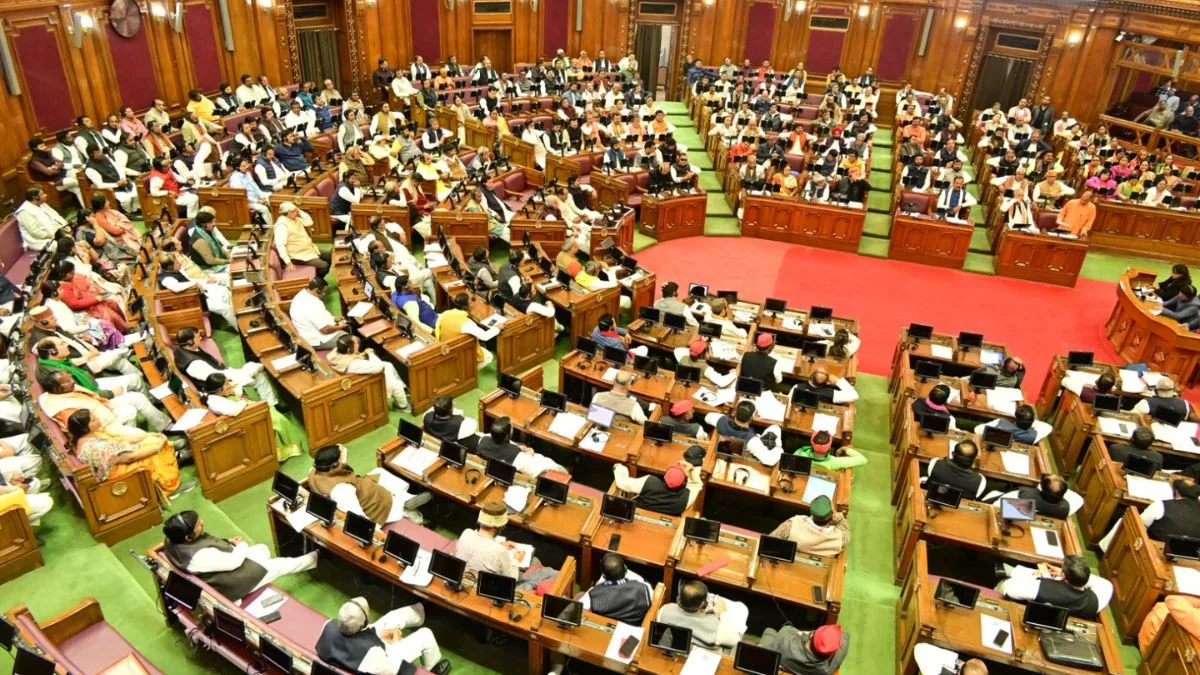
Uttar Pradesh Chief Minister Yogi Adityanath said, "Security is the most essential requirement for development and enterprise.
He was speaking at a two-day regional workshop aimed at accelerating the TB-Free India campaign in northern states.




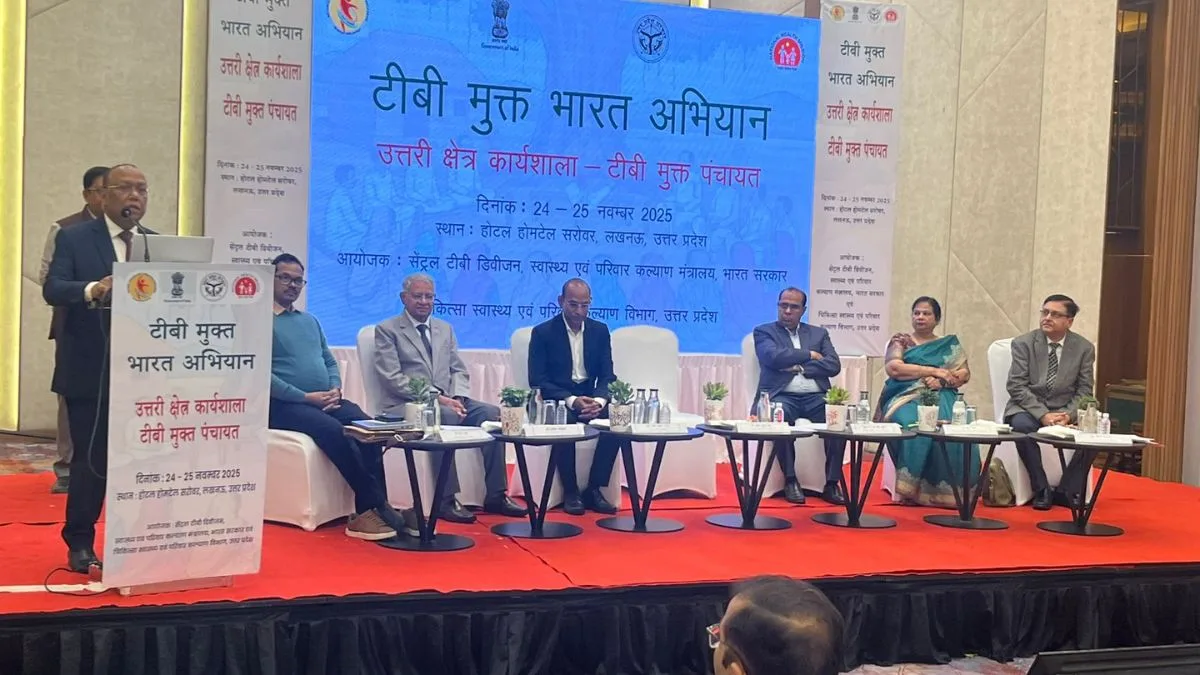
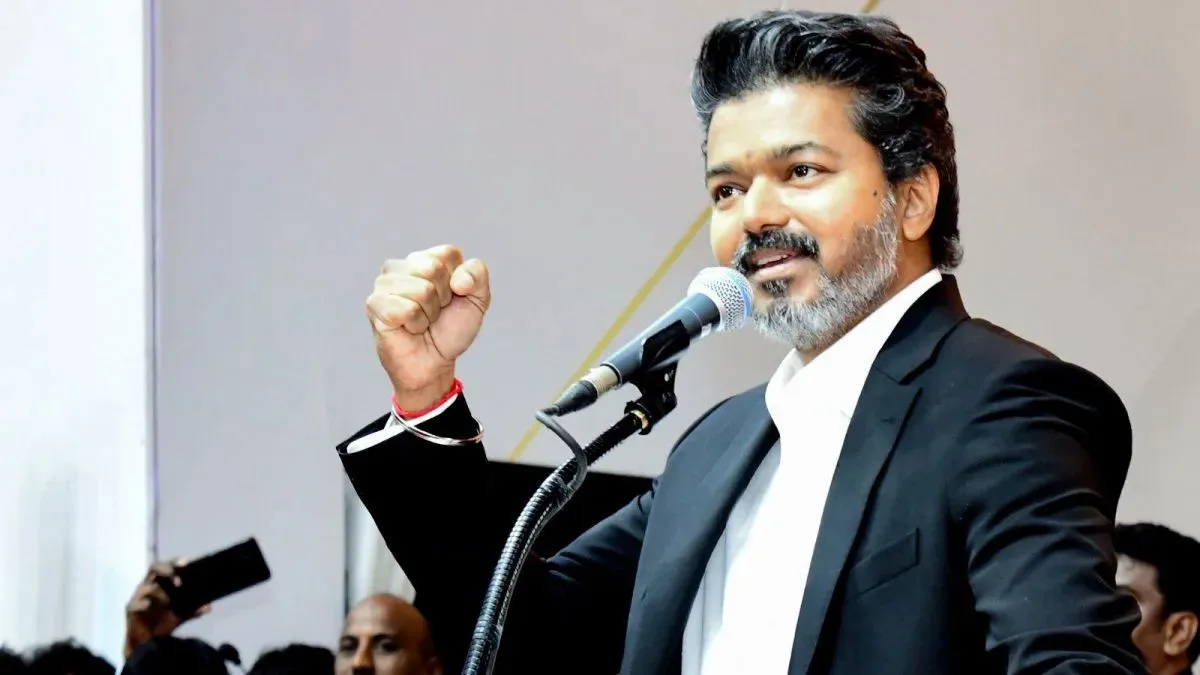
Photo: SNS
“Stronger coordination and community involvement at the Panchayat level are vital to achieving a TB-free India,” stressed Amit Kumar Ghosh, Additional Chief Secretary (Medical Health & Family Welfare), Uttar Pradesh.
He was speaking at a two-day regional workshop aimed at accelerating the TB-Free India campaign in northern states. The workshop commenced here on Monday, bringing together health and Panchayati Raj officials from across the region.
Advertisement
The event has been jointly organised by the Central TB Division of the Ministry of Health and Family Welfare, the Ministry of Panchayati Raj, and the Uttar Pradesh Department of Medical Health and Family Welfare.
Advertisement
Representatives from Himachal Pradesh, Haryana, Chandigarh, Punjab, Jammu & Kashmir, Ladakh, Uttarakhand, and Uttar Pradesh are attending the workshop, which focuses on strengthening TB elimination efforts through decentralised action at the Panchayat level.
Inaugurating the programme, Amit Kumar Ghosh reiterated that stronger coordination and community involvement at the Panchayat level are crucial for achieving a TB-free India. Calling the initiative a priority of the Prime Minister, he urged officials to scale up TB testing and expand preventive treatment across the state. He emphasised that the TB-Free Panchayat model is key to driving elimination efforts at the grassroots.
Dr. Urvashi B. Singh, Deputy Director General, Central TB Division, highlighted that early detection using the 10 key TB symptoms and the adoption of modern drug-resistant TB regimens such as BPaLM are delivering highly effective outcomes.
Dr. Sanjay Mattu, Joint Commissioner, Central TB Division, underscored the need for community participation and inter-departmental coordination to ensure the programme’s success.
Speaking on behalf of the Ministry of Panchayati Raj, Vijay Kumar, Director, said Gram Panchayats are the “grassroots leaders” of TB elimination efforts, playing a pivotal role in active case finding, treatment adherence, community-level monitoring, and awareness campaigns.
Dr. Ratan Pal Singh Suman, Director General, Medical & Health Services, Uttar Pradesh, reiterated the state’s commitment to TB elimination and stressed the importance of spreading awareness about TB symptoms such as persistent cough, fever, weight loss, fatigue, and chest pain.
Dr. Shailendra Bhatnagar, State TB Officer, Uttar Pradesh, pointed out that high-risk groups include the elderly, undernourished individuals, smokers, alcohol users, people living with TB patients, and residents of slums, prisons, old-age homes, and construction sites.
The workshop also featured discussions on the TB-Free Panchayat model, behaviour change strategies, community leadership, and innovative approaches to TB control. Gram Pradhans Amrun Nisha of Lakhimpur Kheri and Amit Pratap Singh of Unnao shared their experiences in raising awareness, promoting early testing, ensuring treatment adherence, and supporting patients through coordination with ANMs and ASHAs.
Officials from state TB cells and Panchayati Raj departments of all participating states were present, along with representatives from WHO, IHAT, KHPT, WHP, CFAR, Global Health Strategies, and other partner organisations.
Advertisement